
The Summit Club Las Vegas Lifestyle Beyond Golf
February 5, 2026
February 5, 2026
If you never picked up a club, would life at The Summit Club still feel extraordinary? If you’re exploring this ultra-private, guard-gated enclave on the western edge of the Las Vegas Valley, you’re likely weighing more than fairways. You want privacy, thoughtful service, and a community that fits your lifestyle. This guide walks you through what daily life can look like beyond golf, plus the key questions and documents to review before you take the next step. Let’s dive in.
You sit on the western edge of the valley with quick access to Summerlin and the Red Rock area. That balance lets you pair desert recreation with the cultural and culinary scene of the Las Vegas Strip when you want it. Many residents plan days around this mix: morning workouts or hikes, midday appointments close to home, and evening dining either in-club or in the city. Proximity to private aviation and full-service medical centers adds practical ease for frequent travelers and second-home owners.
In comparable ultra-private clubs, you can expect a members’ dining room with seasonal menus, private dining spaces, and patios that make weeknight dinners feel relaxed but elevated. The social calendar often includes chef events, curated wine nights, and holiday traditions. In-home catering or delivered meals can support entertaining without leaving your estate. Before you visit, plan to confirm reservation rules, guest limits, dress codes, and whether any spaces are open to non-members at limited times.
You’ll likely find a full fitness center with personal trainers, small-group classes like yoga or pilates, and recovery amenities such as steam and sauna. Spa services, from massages to facials, help you build a routine that supports travel and work. Many clubs also organize guided hikes or outdoor runs that take advantage of nearby desert terrain. Ask about class schedules, trainer availability, in-home sessions, and any additional fees for specialized services.
Life at a private residential club is as social as you want it to be. Weekly dining nights, seasonal galas, tastings, speaker series, wellness workshops, and family-friendly events are common. Some gatherings are member-only or tied to specific membership tiers. Before you commit, request a sample 12‑month calendar and ask how often signature events occur and how members typically participate.
If golf is not your focus, there is still plenty to do. Comparable clubs offer tennis or pickleball courts, resort-style pools with cabana service, and lawn games such as bocce or croquet. Trail access and guided outdoor activities make it easy to get outside without complicated planning. Confirm how court reservations work, whether coaching is available, and how pool and cabana access is assigned during peak season.
Privacy is a daily experience. Expect a staffed, 24/7 guard gate with guest check-in, private streets, and staff trained in confidentiality. Photography in common areas may be restricted to protect members. On-site concierge and valet services often coordinate guest arrivals, deliveries, and reservations. Ask for written guest policies, vendor access rules, and any privacy agreements members sign.
Estate ownership usually comes with support. Many private clubs coordinate landscape management options, home-watch during absences, and on-site crews that maintain common areas at a high standard. If you entertain, you may be able to book in-club teams for private events. Clarify what the HOA covers, how service requests are handled, and turnaround times for routine and urgent needs.
This example is for context only. Specific offerings and schedules should be confirmed with the club.
Ultra-private residential clubs often cap membership and control access to facilities. Entry may include referral or invitation processes. In a typical country-club neighborhood, you may see multiple membership tiers and broader access.
You’ll navigate both club and community rules. Private clubs commonly have boards and membership committees, while the HOA sets property standards through CC&Rs. That dual structure means you should review both sets of documents before you buy.
These clubs give as much weight to curated social life and services as they do to sport. You’ll find concierge-level touches embedded in everyday routines. Many traditional country-club communities lean more toward golf and family recreation with less emphasis on high-touch programming.
Homes inside ultra-private clubs can command a premium for privacy and privileges. Resale can be shaped by how membership transfers work, initiation requirements for new buyers, and demand for exclusivity at the time of sale. Ask whether a membership transfers with a property and what approvals, if any, are required for incoming buyers.
Every private club structures fees differently, so confirm current figures directly with the club. Common categories include:
Before you tour, ask for documents that explain how the community functions and how costs are managed. A complete packet often includes:
Use this list to frame your first conversations with membership staff and your agent:
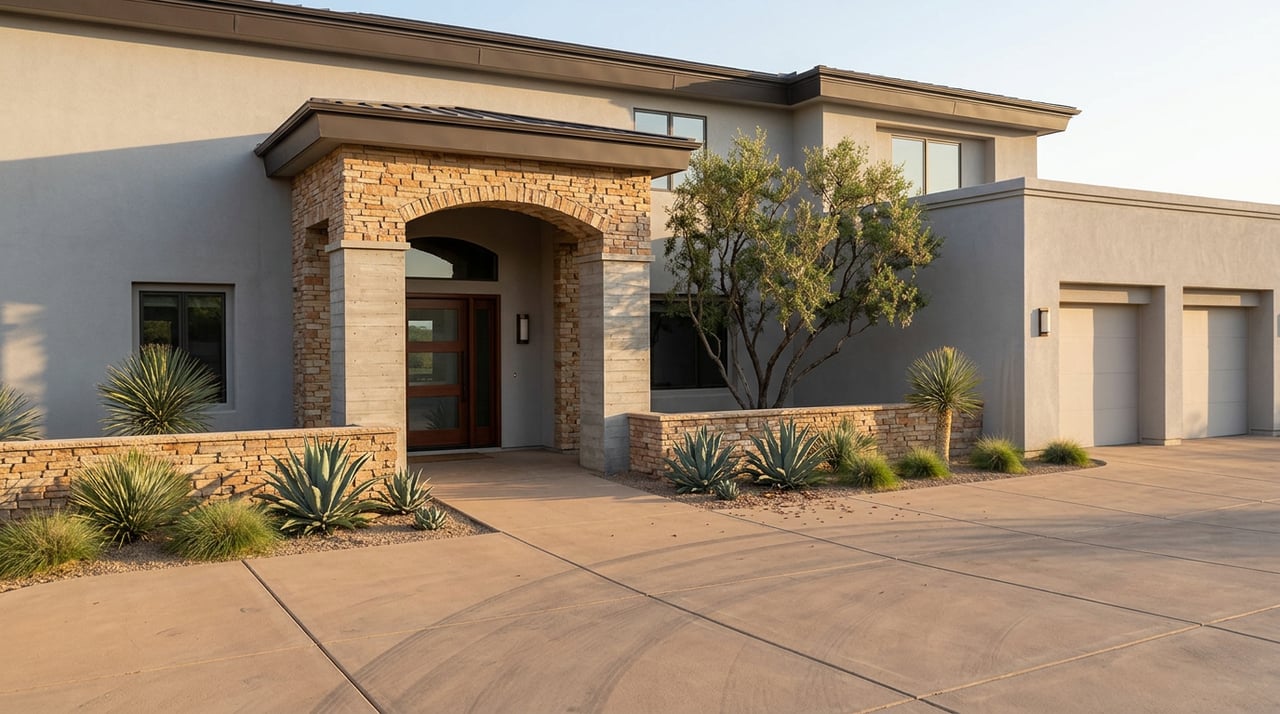
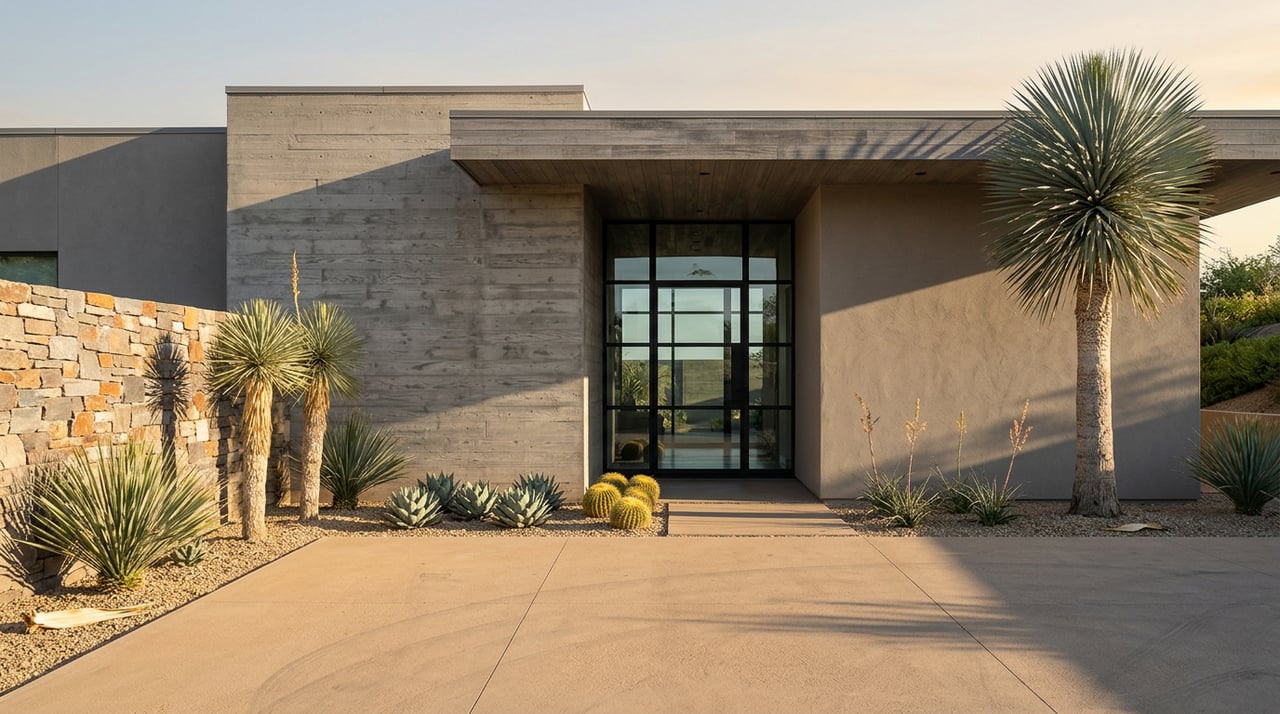
Small details reveal culture and fit. Notice how staff greet members and manage privacy. Look for dress codes and how events are promoted, which can signal formality and expectations. Check landscaping continuity, street design, and setbacks to understand the community’s aesthetic standards and maintenance expectations.
If the lifestyle described here matches your goals, start by confirming membership details and requesting the documents above. Then tour the area to understand drive times, access to outdoor recreation, and how the club fits your daily rhythm. When you’re ready for discreet guidance on available homes and lots, connect with Ryan Grauberger for locally expert representation aligned to your timeline and privacy needs.


We look forward to helping you find the home of your dreams. Please don't hesitate to call or email us today.